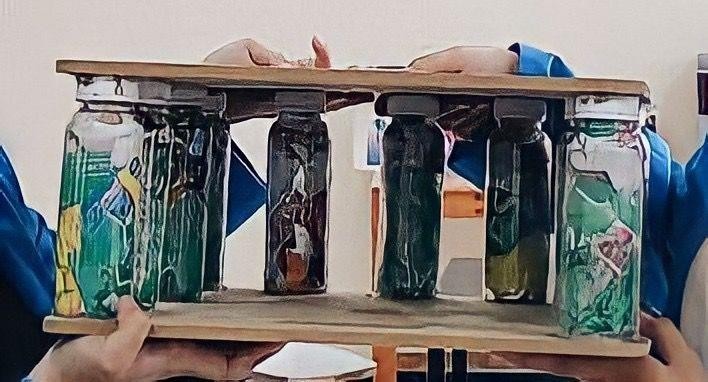
ECOBRICKS: THE SOLUTION OF PLASTIC POLUTION
[2021, October 22nd, M. Gymnastiar]
Articles
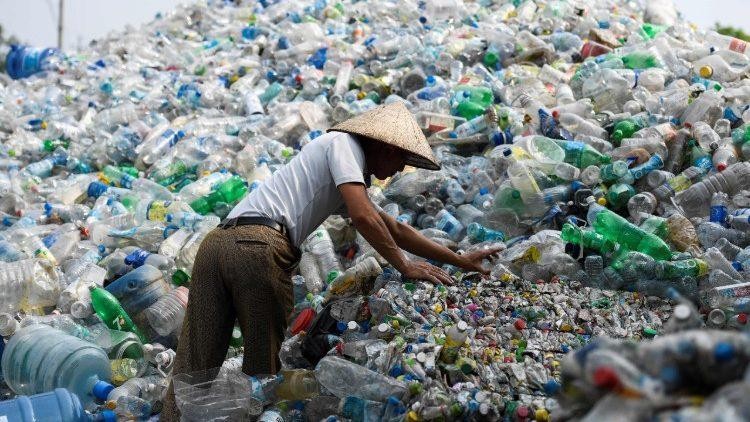
Plastic pollution has become one of the most pressing environmental issues, as rapidly increasing production of disposable plastic products overwhelms the world’s ability to deal with them. Plastic pollution is most visible in developing Asian and African nations, where garbage collection systems are often inefficient or non-existent. But the developed world, especially in countries with low recycling rates, also has trouble properly collecting discarded plastics. Plastic trash has become so ubiquitous it has prompted efforts to write a global treaty negotiated by the United Nations.
Increasing awareness about the environment has brought issues like inefficient means of waste disposal in the community to the forefront. We need to become aware of the waste we are generate daily and ensure that it is disposed of in a safe and environment-friendly manner. Now that everyone is staying at home, it’s more important than ever before that we should have an efficient waste management system at home. Accumulated garbage can breed germs and spread disease; something that should not be taken lightly. If this is something that you have (like most of us) taken for granted till now, here’s how you can make a conscious start.
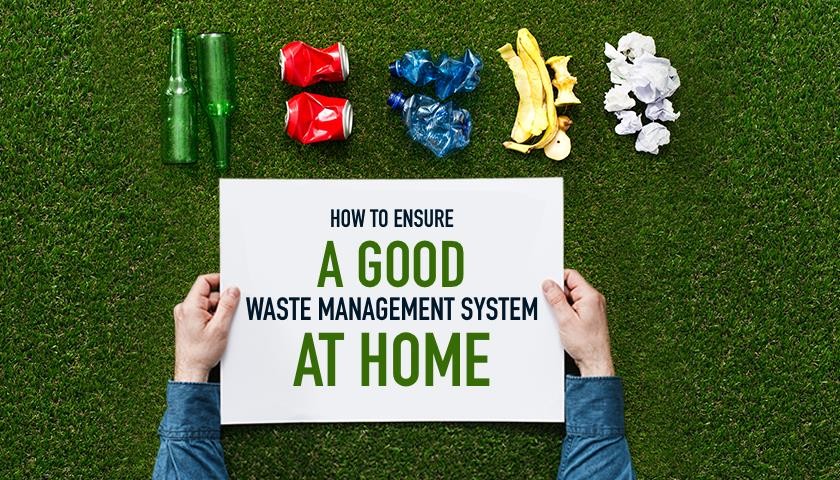
So, What Are Kinds of Waste We Generate at Home? Especially the
Plastic Waste
To begin with, we can make a simple way to generate plastic waste at home. That simple way
called “Ecobricks”. Ecobricks is a simple way to take personal responsibility for our
plastic by keeping it out of industry and out of the biosphere.
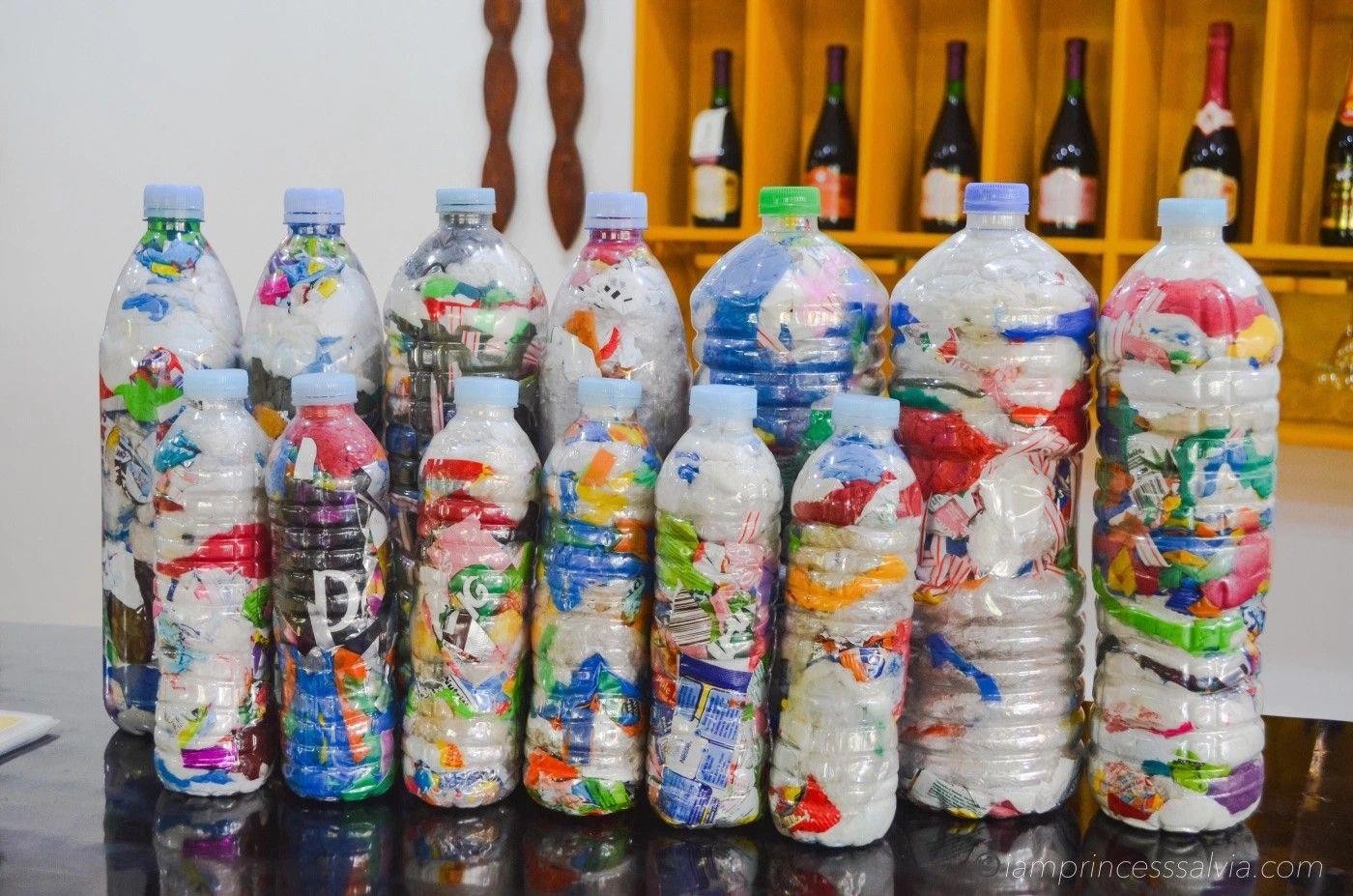
An ecobrick is a PET
bottle packed solid with clean and dry used plastic. Ecobricks are made manually to a set
density to to sequester plastic and create reusable building blocks. In this way ecobricks
keep plastic from degrading into toxins and microplastics and out of high- energy,
high-emission industrial processes. But most of all, the hands-on process of ecobricking
deepens our awareness of these issues and their regenerative alternatives– what we call
plastic transition.
Once many ecobricks are available, they can be put to short-term
use in modular units, lego- furniture and open spaces. Ecobrick can also be put to long-term
use in earthen gardens and structures. In their making and application, ecobricks embody
regenerative principles and an ayyew vision that is based on follow the Earth's example of
securing loose carbon to green the biosphere.
From a functional point of view, the benefits of ecobricks are known to be the basic ingredients in producing an item. Starting from the manufacture of furniture, furniture in the room, to the building materials such as the walls of a room. Although simple, Ecobrick can really be a substitute for building materials such as red bricks or bricks.
Why Ecobricsk?
Ecobricks is one of the solutions to manage the plastic waste at
home and simply to make. Because, ecobricks are a low-energy and local solution to plastic.
To re-use the material of a simple plastic bottle, the global industrial recycling
system uses a vast amount of energy. Plastic is first collected by trucks and delivered to a
sorting facility involving massive machinery. The plastic is then shipped across the world
to a foundry to be turned into raw materials. These raw materials are then sent to a factory
to produce a new product. This product is then shipped around the world to a store.
In
contrast, ecobricking and the application of an ecobrick takes place within the circle of
one’s community. The consumed plastic is put to use locally– no machines, transportation or
high energy systems required.
Traditional waste management systems require giant
budgets, proprietary technology and vast amounts of energy to run. The recycling of a
plastic bottle can result in plastic bouncing around the planet from a store in Canada, to a
foundry in China, to a factory in the Philippines, to a river, to the ocean. Often, as soon
as a city builds a recycling plant, there is already more plastic than capacity.
Ecobricking requires no special machines, skills, or finances to implement. The
technology is 100% open source. Because of its simplicity, ecobricking can spread and
over-reach plastic consumption rates.
The example of the use of plastic waste of
ecobricks is make them become storage.